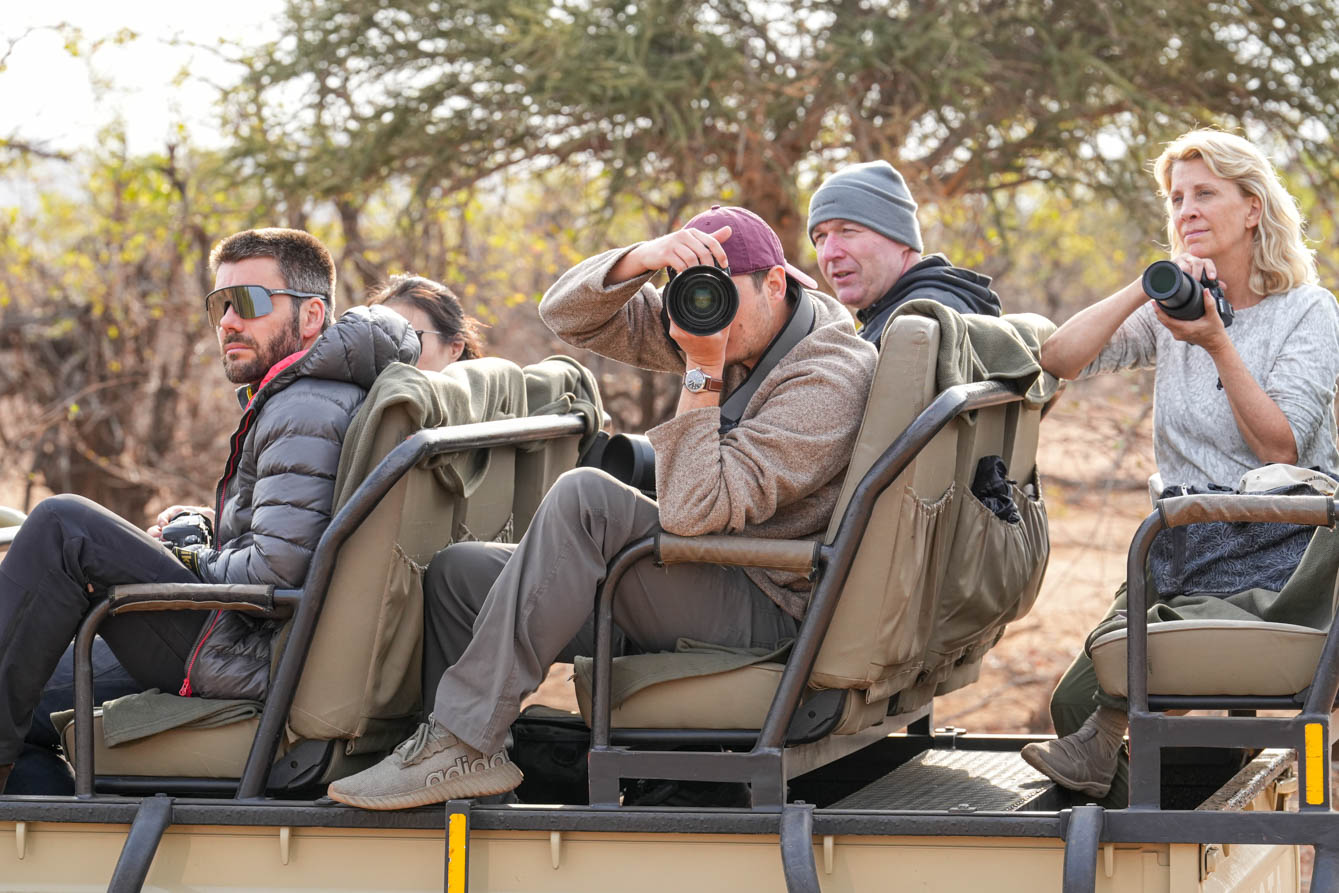

A safari is often considered a dream adventure, but many travelers assume it comes with a luxury price tag. The good news is that how to do a safari on a budget with careful planning, smart choices, and flexibility. A budget safari allows you to experience Africa’s incredible wildlife, breathtaking landscapes, and vibrant cultures without compromising on quality or authenticity. With the right strategies, you can enjoy game drives, walking safaris, and cultural encounters while staying within your budget.
1. Choose the Right Destination
The first step to planning a budget safari is selecting destinations that offer affordable entry fees and accessible wildlife experiences. Popular and well-managed parks often have a range of accommodation options, including budget-friendly lodges or campsites.
- Kenya: Parks like Amboseli National Park, Lake Naivasha, and Tsavo East National Park offer lower-cost accommodations and excellent wildlife viewing. For first-time travelers seeking iconic scenery, Maasai Mara National Reserve can also be visited during off-peak seasons for better deals.
- Tanzania: Tarangire National Park and Lake Manyara National Park are accessible and less expensive alternatives to the Serengeti while still offering Big Five sightings.
- South Africa: Kruger National Park provides affordable self-drive safaris, with a range of campsites and budget lodges throughout the park.
Selecting parks with budget accommodations and accessible wildlife ensures you get the full safari experience without overspending.
2. Opt for Budget Accommodation
Accommodation can account for the largest portion of a safari budget, but there are many ways to save:
- Tented Camps and Campsites: These provide a true safari experience at a fraction of the cost of luxury lodges. Many tented camps are fully equipped with beds, bathrooms, and communal areas.
- Guesthouses and Eco-Lodges: Some lodges near national parks offer affordable rooms and shared facilities while supporting local communities.
- Community-Run Lodges: Staying at community-owned lodges not only reduces costs but also contributes directly to local conservation and economic initiatives.
Booking early or during shoulder seasons can also secure lower rates, especially in parks like Maasai Mara or Amboseli.
3. Choose Affordable Safari Options
- Group or Shared Safaris: Sharing a vehicle with other travelers significantly reduces costs while still providing a full safari experience.
- Self-Drive Safaris: In South Africa or Namibia, renting a 4×4 and driving through parks allows flexibility and cost savings.
- Short Safaris: Day trips or 2-3 day safaris from nearby towns reduce accommodation and transport costs while still offering wildlife encounters.
- Local Guides: Hiring local guides for individual drives often costs less than booking through international tour operators and provides authentic insights into wildlife and culture.
4. Travel During Off-Peak Seasons
Timing is critical for budget travel. While peak safari months (June–October) offer ideal wildlife viewing, they also come with higher costs. Traveling during off-peak seasons or short rainy periods (March–May, November–December) can reduce accommodation and park fees, and parks are generally less crowded. While some roads may be muddy during rains, the lush green scenery and newborn animals offer unique safari experiences.
5. Save on Meals and Extras
- Inclusive Packages: Many budget lodges offer full-board or all-inclusive options, reducing the need for costly meals outside the park.
- Self-Catering: Some campsites allow you to cook your own meals, saving money and adding flexibility.
- Local Markets: Buying snacks and supplies from local markets instead of resort shops can lower daily expenses.
6. Prioritize and Plan Activities
Budget safaris don’t mean missing out on key wildlife experiences. Prioritize activities that are free or low-cost, such as:
- Self-Guided Nature Walks: In parks that allow walking, exploring trails on foot enhances your safari experience.
- Game Drives: Early morning and late afternoon drives provide the best wildlife sightings.
- Cultural Visits: Visiting local villages or markets provides immersive experiences for minimal cost.
Planning your itinerary and combining activities efficiently can reduce transport costs and maximize wildlife encounters.
7. Travel Smart
- Public Transport and Shuttle Services: Use buses or shared shuttles to reach parks rather than private transfers.
- Group Travel: Traveling with friends or family allows you to split vehicle, guide, and accommodation costs.
- Pack Efficiently: Bring essential items such as binoculars, cameras, and reusable water bottles to avoid high park or lodge prices for gear.
Conclusion
how to do a safari on a budget is entirely achievable with thoughtful planning, smart choices, and flexibility. By selecting affordable destinations, staying in camps or guesthouses, joining shared game drives, traveling off-peak, and prioritizing activities, travelers can enjoy the full thrill of African wildlife without overspending. From Kenya’s Maasai Mara and Amboseli to South Africa’s Kruger and Tanzania’s Tarangire, a budget safari offers unforgettable wildlife encounters, breathtaking landscapes, and cultural immersion. With careful preparation, an affordable safari can deliver the adventure of a lifetime while keeping expenses under control, proving that exploring Africa’s wild heart doesn’t require a luxury bud