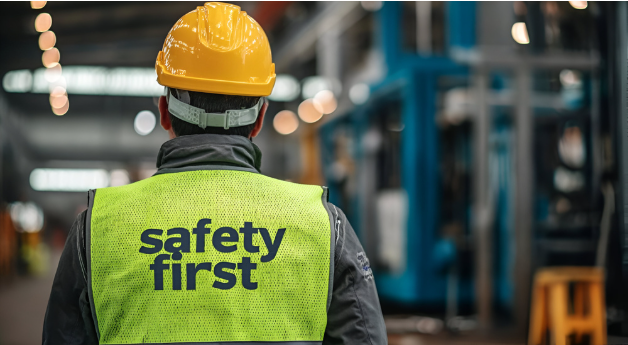

The safest workplaces are not full of people thinking hard about safety. They are packed with folks who do not give it much thought. Click the buckle, check the guard, grab the goggles. It is just a reflex, like checking for traffic. You know what to do. That’s the whole aim. Safety is so woven into the day that it more or less runs itself. Does it take some effort to get there? Of course. But it is way easier than most bosses figure.
Habits Beat Rules
A fat binder stuffed with safety rules looks great sitting on a shelf. The problem is that no one opens it. Rules only stick when they become habits, and habits are made by doing, not by reading. Remember learning to drive? Every move felt clumsy and slow at the start. Now your hands act before your brain even weighs in. Job safety follows the same principles. When you do the right thing repeatedly, it stops being a burden. It turns into just how stuff gets done here.
Make the Safe Way the Easy Way
Folks go for the path of least resistance. Pretty much always. So if the safe choice is a headache, people ditch it the moment nobody’s looking. The fix is cutting out the friction. Stash gloves right where hands go looking. Hang goggles by the door, not clear across the shop. Set the trash bin next to the mess instead of down some hallway. When the right move takes less effort than the wrong one, it wins all on its own. Nobody has to nag.
Leaders Set the Temperature
The crew watches the boss. If a manager wanders across the floor with no hard hat, that hat starts looking optional to everyone else too. What you do drowns out any poster taped up in the break room. The good news cuts the other way. When leaders adhere strictly to all regulations, including inconvenient ones, the team follows suit. Safety becomes the norm rather than a mandate from above. And the norm is right where you want it.
Speak Up Without Fear
People have to feel okay flagging hazards and close calls. If someone is scolded for raising their hand, they will stop doing so. And the hazard simply waits, patiently for its moment. Create a space where cautionary words are met with gratitude, not resentment. A quick word about a frayed cord or a slippery patch can stop a genuine injury. Every person on the floor becomes another pair of eyes. No company should turn down a deal that good.
Keep Checking In
Even the sharpest habits slide over time. Shortcuts wiggle their way in. Gear wears out. That’s just the nature of the beast, which is why regular checkups earn their keep. Getting help from a firm like Compliance Consultants Inc is a good idea. They run safety audits for business owners hoping to catch the small slips before they balloon into big ones. Outsiders spot what everyday familiarity buries, and their notes keep solid habits from quietly slipping away.
Conclusion
A safety culture doesn’t show up overnight. It stacks up slowly, one habit building on top of another, until working safely feels about as natural as breathing. Make the safe way the easy way. Lead by example, doing it yourself. Thank the people who speak up. Check in often enough that the standards don’t drift. Pull all that off, and safety will stop being a rule you police. It becomes just who you are. That’s the moment the real protection kicks in.