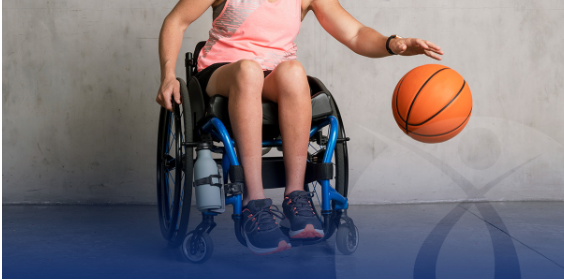
Sports have the power to bring people together, build confidence, and improve physical and mental health. For athletes with disabilities, opportunities to participate in sports can sometimes be limited due to lack of resources, accessibility, or awareness. This is where disability adaptive sports charity programs play a critical role. These programs are designed to create an inclusive environment, enabling athletes of all abilities to engage in sports, build skills, and achieve personal growth.
The Importance of Inclusive Sports Opportunities
Inclusive sports opportunities are essential for promoting equality and empowerment among athletes with disabilities. Many individuals with physical or cognitive challenges face barriers that prevent them from enjoying traditional sports. Disability adaptive sports charity programs help remove these barriers by providing specialized equipment, trained coaches, and supportive environments. By participating in adaptive sports, athletes gain confidence, improve physical fitness, and develop social connections, which are crucial for overall wellbeing.
How Disability Adaptive Sports Charity Programs Work
A disability adaptive sports charity program focuses on making sports accessible to everyone, regardless of their abilities. These programs often provide adaptive equipment such as wheelchairs for basketball, modified bicycles, or prosthetic-friendly training gear. Coaches are trained to understand the specific needs of each athlete and tailor activities to suit their abilities. Beyond equipment and coaching, these programs foster a sense of community, where athletes feel accepted and motivated to push their limits.
Physical and Mental Benefits for Athletes
Participation in adaptive sports has significant physical and mental benefits. Physically, athletes develop strength, endurance, balance, and coordination. These improvements contribute to a healthier lifestyle and can even enhance independence in daily activities. Mentally, being part of a sports team can reduce feelings of isolation, boost self-esteem, and improve focus. Disability adaptive sports charity programs also teach valuable life skills, such as perseverance, teamwork, and goal-setting, which can translate into success both on and off the field.
Inspiring Stories of Change
Many athletes have shared how their lives have transformed through disability adaptive sports charity programs. Some have discovered hidden talents and gone on to compete at local, national, or even international levels. Others have found confidence and social connections that positively impact their personal lives and career opportunities. These programs show that with the right support and resources, athletes with disabilities can achieve remarkable accomplishments and lead fulfilling lives.
Community Engagement and Support
A key aspect of disability adaptive sports charity programs is community engagement. These programs rely on volunteers, donors, and sponsors to provide necessary resources and maintain accessibility. Community involvement not only helps sustain the programs but also raises awareness about the abilities of athletes with disabilities. Schools, local organizations, and families often become partners, creating an inclusive culture that values participation over limitation.
Creating Lasting Impact
The impact of disability adaptive sports charity programs extends beyond the athletes themselves. By promoting inclusivity, these programs help change societal perceptions about disabilities. They demonstrate that with the right opportunities, support, and encouragement, athletes with disabilities can thrive and contribute to their communities in meaningful ways. Over time, these programs create a legacy of empowerment, fostering generations of athletes who inspire and lead by example.
Conclusion
Disability adaptive sports charity programs are more than just sports initiatives; they are platforms for empowerment, inclusion, and personal growth. By providing access, support, and specialized resources, these programs change the lives of athletes with disabilities, helping them build confidence, develop skills, and connect with their communities. The value of such programs extends far beyond the field, creating lasting positive change for individuals and society as a whole. Through continued support and awareness, these programs can ensure that every athlete, regardless of ability, has the opportunity to thrive.

