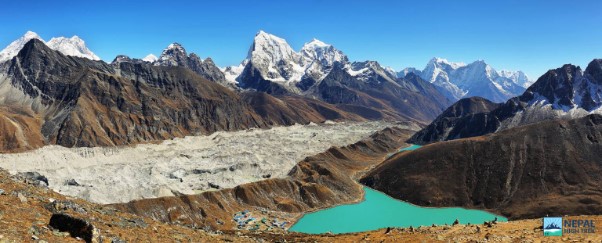

Nepal is globally recognized as the heart of the Himalayas and one of the most prestigious destinations for trekking and mountaineering. With towering peaks, dramatic landscapes, and rich mountain cultures, it attracts adventure seekers from all over the world. Among the most iconic experiences are the Everest Base Camp and Gokyo Chola Pass Trek and the broader category of Nepal expedition adventures.
These journeys represent two levels of Himalayan exploration—one focused on high-altitude trekking through legendary trails, and the other on serious mountaineering expeditions to some of the world’s highest peaks.
Everest Base Camp and Gokyo Chola Pass Trek
The Everest Base Camp and Gokyo Chola Pass Trek is one of the most challenging and rewarding trekking routes in the Everest region. This trek combines three major highlights: Everest Base Camp (5,364 m), the stunning Gokyo Valley with its turquoise lakes, and the high mountain crossing of Cho La Pass (5,420 m).
This route is designed for experienced trekkers who want more than a standard Everest Base Camp journey. It offers a complete Himalayan adventure filled with glaciers, mountain passes, Sherpa culture, and some of the best panoramic views in the world.
The journey begins with a scenic flight to Lukla, followed by trekking through famous villages such as Namche Bazaar, Tengboche, and Dole. The route then splits into the Gokyo Valley, where trekkers are rewarded with breathtaking views from Gokyo Ri before crossing the challenging Cho La Pass to reconnect with the Everest Base Camp trail.
Key Highlights of Everest Base Camp and Gokyo Chola Pass Trek
- Combination of Everest Base Camp, Gokyo Valley, and Cho La Pass
- Stunning views of Mount Everest, Lhotse, Makalu, and Cho Oyu
- Adventure crossing of Cho La Pass (5,420 m)
- Beautiful turquoise Gokyo Lakes and Gokyo Ri viewpoint
- Sherpa culture and traditional Himalayan villages
- Glacier walking and high-altitude trekking experience
- Less crowded alternative to standard Everest Base Camp route
This trek is ideal for adventure seekers who want a complete Everest region experience with added challenge and diversity.
Experience of the Trek
The trek offers a gradual transition from lush green forests to icy glacier landscapes. One of the most unforgettable moments is the view from Gokyo Ri, where trekkers can see four of the world’s highest peaks in one panorama.
Crossing Cho La Pass is another highlight, requiring proper acclimatization, stamina, and sometimes the use of crampons depending on snow conditions. The sense of achievement after completing this pass is one of the most rewarding experiences in Nepal trekking.
Nepal Expedition
The term Nepal expedition refers to serious high-altitude mountaineering journeys that go beyond trekking. These expeditions typically involve climbing peaks above 6,000 meters, 7,000 meters, and even 8,000 meters, including some of the highest mountains in the world such as Mount Everest, Lhotse, Makalu, and Annapurna I.
Unlike trekking, Nepal expeditions require advanced technical skills, professional equipment, experienced guides, and strong physical and mental preparation. These adventures are designed for climbers who want to push their limits and experience true Himalayan mountaineering.
Nepal is home to eight of the world’s fourteen 8,000-meter peaks, making it the ultimate destination for expedition climbers.
Key Highlights of Nepal Expedition
- Climbing some of the world’s highest peaks
- Technical mountaineering involving ice, rock, and snow climbing
- Use of advanced equipment such as oxygen systems and fixed ropes
- High-altitude base camps and extended expedition periods
- Professional Sherpa support and guiding teams
- Extreme adventure and personal achievement
- Access to iconic peaks like Everest, Lhotse, Makalu, and Annapurna
Nepal expeditions are not just physical challenges—they are life-changing achievements that require dedication, courage, and preparation.
Difference Between Trekking and Expedition in Nepal
| Everest Base Camp & Gokyo Trek | Nepal Expedition |
| Trekking-based adventure | Technical mountaineering |
| No summit climbing | Summit attempts on high peaks |
| Moderate to high difficulty | Very high difficulty |
| Tea house accommodation | Base camp and tented camps |
| Focus on trekking routes | Focus on climbing expeditions |
While trekking offers exploration and scenery, expeditions focus on climbing success and high-altitude mountaineering experience.
Best Time for Trekking and Expeditions
The best seasons for both trekking and expedition activities in Nepal are:
- Spring (March to May)
- Autumn (September to November)
These seasons provide stable weather conditions, clear skies, and the best mountain visibility. Spring is especially popular for expeditions due to warmer climbing conditions.
Essential Tips for Trekkers and Climbers
- Build strong physical fitness and endurance
- Train for high-altitude conditions
- Acclimatize properly to prevent altitude sickness
- Use professional guides and climbing teams
- Carry appropriate trekking and mountaineering gear
- Stay hydrated and maintain a steady pace
- Follow safety instructions at all times
Preparation is the key to a safe and successful Himalayan adventure.
Conclusion
The Everest Base Camp and Gokyo Chola Pass Trek and Nepal expedition experiences represent the true spirit of Himalayan adventure. The trek offers one of the most complete and scenic journeys in the Everest region, combining lakes, glaciers, mountain passes, and cultural immersion.