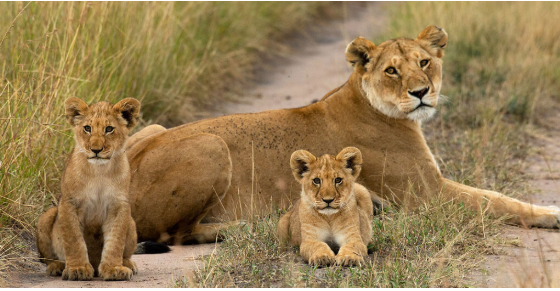

Introduction
Few countries pack as much wildlife variety into so small a space as Rwanda. In one week, you can stand a few metres from a wild mountain gorilla in a misty volcanic forest, then watch lions, elephants and giraffes cross open savannah. That is the appeal of a gorilla and combined Akagera safari, an itinerary that pairs the country’s two most celebrated parks.
Travellers once had to choose between a primate trip and a classic savannah safari. Rwanda’s compact size, excellent roads and successful conservation work now make it easy to have both. This guide explains what the combined trip involves, how to structure it, what it costs, and how to prepare.
Why Combine Gorilla Trekking with Akagera?
Two ecosystems, one country
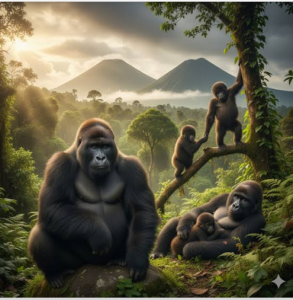
Volcanoes National Park in the north-west is a cool, high-altitude rainforest on the slopes of the Virunga volcanoes. It is home to endangered mountain gorillas, golden monkeys and a rich birdlife. Akagera National Park in the east is the opposite: warm, open and dry, with wetlands, lakes, acacia woodland and rolling grassland.
Together they give you a complete East African wildlife picture. You see the intimate, emotional side of primate tracking and the sweeping, adrenaline-filled side of a game drive.
Rwanda’s conservation story
Both parks are conservation success stories. Mountain gorilla numbers in the Virunga massif have grown steadily thanks to anti-poaching patrols, veterinary care and community revenue sharing. Akagera, managed in partnership between the Rwanda Development Board and African Parks, has been transformed since 2010. Lions were reintroduced in 2015 and black rhinos returned in 2017, with further rhino translocations since. Akagera now offers the Big Five (lion, leopard, elephant, buffalo and rhino), a rare feat for a country once thought to have lost its savannah wildlife.
Short distances, smooth logistics
Kigali sits roughly in the middle. Volcanoes National Park is about a two-to-three-hour drive north-west, while Akagera is about two to three hours east. Roads are well maintained and the country is safe and clean, so you spend more time watching wildlife and less time in transit.
Gorilla Trekking in Volcanoes National Park
What to expect
Treks begin early with a briefing at park headquarters in Kinigi, where guides assign you to a habituated gorilla family. Hikes range from under an hour to several hours depending on where the family has moved overnight. Once you reach them, you are allowed one hour in their company.
That hour is often described as the highlight of a lifetime. Silverbacks rest, juveniles tumble and mothers groom infants, all within a few metres of you. Groups are limited to eight visitors per gorilla family, which keeps the encounter calm and low-impact.
Permits and rules
A gorilla permit is the single biggest cost of the trip. At the time of writing, permits for international visitors are priced at US$1,500 per person, though you should confirm current pricing with the Rwanda Development Board or your operator before booking. Permits are limited and sell out in peak months, so book early.
Key rules include:
- Minimum age of 15 to trek.
- Keep a distance of seven metres where possible.
- Do not trek if you are ill, since gorillas are susceptible to human respiratory infections.
- No flash photography, eating or smoking near the gorillas.
Best time to go
The dry seasons, June to September and December to February, make trails easier. Treks are possible all year, and the green seasons offer lush scenery and fewer visitors, but expect muddier conditions.
Safari in Akagera National Park
Game drives
Akagera covers roughly 1,100 square kilometres along the Tanzanian border. Morning and afternoon game drives take you through the savannah where you can find elephants, buffalo, zebras, giraffes, topi, impala, waterbuck and hippos. Lions are regularly seen, and leopards, though elusive, reward patient night drives.
Boat safari on Lake Ihema
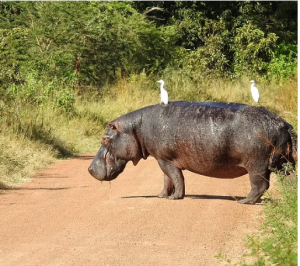
A highlight of any Akagera visit is the boat trip on Lake Ihema. You glide past huge pods of hippos, basking Nile crocodiles and an outstanding array of water birds, including the shoebill, African fish eagle and pelicans. It is a relaxed, photogenic complement to the dust and pace of a game drive.
Night drives and rhino tracking
Guided night drives, offered by the park, open a different world: bushbabies, genets, civets and sometimes leopards. Some lodges and operators also arrange guided rhino-focused outings for guests who want the best chance of seeing these animals.
Best time to go
Akagera is good year-round, but the dry season (June to September) is best, as animals concentrate near water and vegetation thins out.
Sample Itinerary: 5-Day Gorilla and Akagera Combined Safari
Day 1: Arrive in Kigali. Transfer to your hotel. Optionally visit the Kigali Genocide Memorial, a moving and important introduction to the country’s history and recovery.
Day 2: Kigali to Volcanoes National Park. Drive north and enjoy views of terraced hills and volcanic peaks. Settle into your lodge and rest before tomorrow’s trek.
Day 3: Gorilla trekking. After an early breakfast and briefing, trek to your assigned gorilla family and spend a magical hour with them. Return to the lodge for the afternoon or visit a nearby cultural village.
Day 4: Volcanoes to Akagera. Drive back through Kigali and continue east to Akagera. Settle in and take an evening game drive.
Day 5: Akagera game drive and boat trip, then Kigali. Do an early-morning game drive, followed by a boat safari on Lake Ihema, then return to Kigali for your departure.
Travelers with more time can extend this to seven days by adding a second Akagera night, a golden monkey trek, a hike to Dian Fossey’s grave or a stay at Lake Kivu.
Practical Planning Tips
Budget realistically. The gorilla permit dominates costs, but lodging, park fees, transport and guides add up. Mid-range and luxury options exist in both parks.
Book early. Permits and top lodges fill months ahead, particularly in the dry seasons.
Pack smart. For Volcanoes, bring sturdy waterproof hiking boots, long trousers, gloves for stinging nettles, a rain jacket and layers. For Akagera, pack neutral-coloured clothing, sunscreen, a hat, insect repellent and binoculars.
Check health requirements. Confirm vaccination and visa requirements for your nationality, and consult a travel clinic about malaria prophylaxis for Akagera. Yellow fever documentation may be required depending on your route.
Travel responsibly. Respect park rules, hire local guides, stay in lodges that support conservation, and buy crafts from community cooperatives. Your fees directly fund anti-poaching work and local development.
Key Takeaways
- A gorilla and combined Akagera safari gives you primate trekking and Big Five game viewing in one compact, easy-to-navigate trip.
- Volcanoes National Park offers mountain gorillas; Akagera offers lions, elephants, rhinos, giraffes, hippos and exceptional birdlife.
- Gorilla permits are limited and cost US$1,500 per person at the time of writing; always verify current pricing and book early.
- A minimum of four to five days is recommended, with seven days being ideal for a relaxed pace.
- The dry seasons (June to September and December to February) are the most comfortable for both parks.
- Rwanda is safe, clean and well connected, making it one of Africa’s easiest countries for first-time safari-goers.
- Your visit supports real conservation and community development.
Conclusion
Rwanda proves that a world-class safari does not have to be a long, exhausting expedition. By combining gorilla trekking in Volcanoes National Park with the savannah, lakes and wildlife of Akagera, you experience the full spectrum of East African nature in a single journey. One day you are whispering beside a silverback in cloud forest, and a day later you are watching lions at sunrise and hippos at sunset.
With careful planning, an early permit booking and a reputable local operator, the Gorilla and combined akager can be one of the most rewarding trips of your life, a meeting of emotion, adventure and conservation that stays with you long after you leave.
Frequently Asked Questions (FAQ)
- How many days do I need for a gorilla and Akagera combined safari?
A minimum of four days is possible, but five to seven days is recommended so you are not rushed between parks and have time to rest after the trek. - How much is a gorilla permit in Rwanda?
At the time of writing, the permit for international visitors is US$1,500 per person. Prices can change, so confirm with the Rwanda Development Board or your tour operator. - Can I see the Big Five in Akagera?
Yes. Akagera is home to lions, leopards, elephants, buffalo and rhinos, though leopards and rhinos are harder to spot and sightings are never guaranteed. - What is the best time of year for this trip?
June to September is generally best for both parks. December to February is also a good dry period. Wetter months are quieter and greener but trails can be muddy. - How difficult is gorilla trekking?
Difficulty varies. Some treks last under an hour, others several hours on steep, muddy terrain at altitude. Moderate fitness helps, and porters are available to carry bags and assist you. - Is the trip suitable for children?
Gorilla trekking requires a minimum age of 15. Akagera, however, welcomes younger children on safari, so families with mixed ages may need to plan around this rule. - How far apart are Volcanoes and Akagera parks?
Both are roughly two to three hours from Kigali in opposite directions, so the transfer between them takes about five to six hours by road, usually done with a Kigali stop. - Is Rwanda safe for tourists?
Rwanda is widely regarded as one of Africa’s safest and cleanest destinations. As anywhere, follow standard travel precautions and your operator’s guidance. - Do I need a vaccine or malaria medication?
Consult a travel clinic well in advance. Malaria prophylaxis is commonly advised, particularly for Akagera, and yellow fever documentation may be required depending on where you travel from. - Can I self-drive between the parks?
Yes, roads are good, but most travellers prefer a driver-guide, who handles logistics, knows the best wildlife spots and improves your chances of memorable sightings.