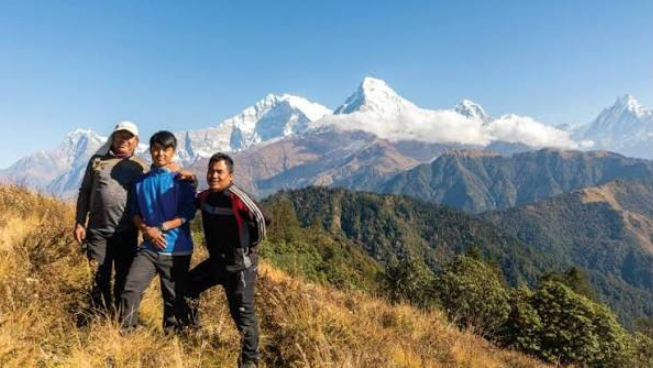

Nepal is a destination where breathtaking mountain landscapes, ancient traditions, and unforgettable adventures come together. Home to the Himalayas and some of the world’s most spectacular trekking routes, the country attracts travelers from around the globe who want to experience nature at its most impressive. Nepal Hiking offers an excellent way to explore this remarkable country while enjoying mountain views, peaceful villages, forests, rivers, and fascinating local cultures.
For many travelers, Hiking in Nepal is not simply an outdoor activity. It is a journey that combines physical adventure with cultural discovery and personal experience. Every trail has something different to offer, from panoramic Himalayan viewpoints and traditional mountain settlements to historic monasteries and quiet valleys far from busy cities.
Why Nepal Is Perfect for Hiking
Nepal has an extraordinary variety of landscapes within a relatively small area. Travelers can begin their journey in a lively city and, within a short time, find themselves walking through forests, terraced farmland, and high mountain valleys.
One of the major attractions of Nepal Hiking is the wide selection of routes. Some trails are suitable for travelers looking for comfortable and relatively short walks, while others are designed for experienced hikers seeking challenging high-altitude adventures.
The country’s natural environment also changes dramatically with elevation. Lower areas can feature lush vegetation and cultivated hillsides, while higher regions reveal rugged landscapes dominated by snow-covered mountains. This diversity makes every hiking journey different.
Popular Regions for Hiking in Nepal
Everest Region
The Everest region is among the most famous destinations for mountain adventures. Hiking through this area provides spectacular views of some of the world’s highest peaks while introducing visitors to the unique culture of the Sherpa communities.
Along the trails, hikers can discover mountain villages, Buddhist monasteries, prayer flags, suspension bridges, and dramatic valleys. The combination of extraordinary scenery and local traditions makes the Everest region an unforgettable choice for Hiking in Nepal.
Annapurna Region
The Annapurna region is another outstanding destination for hikers. Its trails pass through a remarkable variety of environments, including green valleys, forests, traditional villages, waterfalls, and high mountain landscapes.
One of the region’s greatest advantages is its variety of hiking options. Travelers can choose routes according to their available time and fitness level, making the area appealing to both newcomers and experienced adventurers.
Langtang Region
The Langtang region offers a quieter Himalayan experience while remaining relatively accessible from Kathmandu. Its trails lead through forests, mountain settlements, valleys, and impressive alpine landscapes.
Hikers can also experience the traditions of local communities and gain a deeper appreciation for the relationship between mountain life and the surrounding environment. For travelers seeking nature and cultural experiences away from some of the busier routes, Langtang can be an excellent option.
The Cultural Side of Nepal Hiking
A hiking journey through Nepal provides much more than scenery. The country’s cultural diversity is an important part of the experience.
Many trails pass through villages where traditional lifestyles remain an important part of everyday life. Travelers may have opportunities to interact with local residents, taste traditional foods, visit religious sites, and learn about customs that have developed over generations.
Buddhist monasteries, Hindu temples, colorful prayer flags, and traditional architecture can often be found along mountain routes. These cultural encounters add depth to the journey and allow visitors to understand Nepal beyond its famous mountains.
Choosing the Right Hiking Experience
The ideal Nepal Hiking route depends on several factors, including fitness level, available time, preferred scenery, altitude, and previous hiking experience.
Travelers with limited time may prefer short hikes around Kathmandu or Pokhara. Those looking for a longer adventure can choose established Himalayan routes that take several days or more.
It is important not to choose a route simply because it is popular. A suitable hiking experience should match the traveler’s physical ability and comfort level. Proper planning can make the journey more enjoyable and reduce unnecessary difficulties along the way.
Best Seasons for Hiking in Nepal
Seasonal conditions can have a major impact on Hiking in Nepal. Spring and autumn are generally popular periods because many trails experience favorable weather and good mountain visibility.
Spring brings pleasant conditions and colorful landscapes, while autumn is often appreciated for its clear skies and impressive Himalayan views. Winter can be suitable for lower-altitude hikes, although temperatures can become very cold at higher elevations.
The monsoon season brings frequent rainfall to many parts of the country. Trails may become wet and slippery, and clouds can reduce visibility in mountain areas. Travelers planning a hike during this period should select their route carefully and prepare for changing conditions.
Preparing for Your Hiking Adventure
Good preparation is an important part of a successful hiking trip. Before starting a Nepal Hiking adventure, travelers should research the chosen route, understand its difficulty, and prepare appropriate clothing and equipment.
Comfortable hiking footwear, layered clothing, rain protection, a reliable backpack, water, and basic personal supplies are useful for most routes. Higher-altitude journeys require additional planning because temperatures and weather can change quickly.
For longer or higher routes, allowing sufficient time for acclimatization is particularly important. Walking at a steady pace, staying hydrated, and listening to your body can contribute to a safer and more enjoyable experience.
Hiring a knowledgeable local guide can also provide valuable support, particularly on remote or challenging routes. A good guide can help with navigation while also providing insight into local communities, history, culture, and the surrounding environment.
Key Points to Remember
- Nepal offers hiking opportunities for different fitness levels and experience levels.
- The Everest, Annapurna, and Langtang regions are among the country’s most popular mountain destinations.
- Hiking in Nepal combines spectacular landscapes with authentic cultural experiences.
- Short hikes around Kathmandu and Pokhara are suitable for travelers with limited time.
- Spring and autumn are popular seasons for many hiking routes.
- Proper clothing, footwear, hydration, and route planning are essential.
- High-altitude routes require careful preparation and adequate acclimatization.
- Local guides can make challenging or remote journeys more comfortable and informative.
Conclusion
Nepal Hiking offers an exceptional opportunity to experience the Himalayas from a personal and unforgettable perspective. From dramatic mountain peaks and peaceful valleys to traditional villages and ancient religious sites, Nepal provides a remarkable combination of natural beauty and cultural richness.
Whether you are planning a short countryside walk or a demanding Himalayan adventure, Hiking in Nepal can provide memories that last a lifetime. With the right route, appropriate preparation, and respect for the local environment and communities, a journey through Nepal’s mountains can become far more than a holiday—it can become a meaningful adventure filled with discovery, challenge, and inspiration.